
Need help? 866-468-9558

Vital Signs Monitors

Vitals Signs and Patient Monitors
Price
Brands (6)
Categories (1)
Tags (19)
Condition
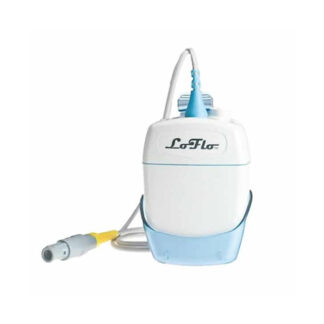
  • Embra Medical – VS20 LoFlo SideStream CO2 Module

    VS20 LoFlo SideStream CO2 Module – Embra Medical

    $4,500.00
    Add to cartAdd to Quote
  • Dewatering

    VS60-V2 Dewatering Cups – Embra Medical

    $346.00
    Add to Quote

Why Choose MME?

ISO Certified

Learn More

Short-Term Rental Options

Learn More

Knowledgeable service

Learn More

Warranted Equipment Repairs

Learn More

Authorized Service Provider

Trust ReNew Biomedical for maintenance and service!MME is proud of our partnership with ReNew Biomedical, an independent medical-equipment service organization. ReNew performs preventative maintenance, equipment management, and repairs nationwide.

Browse ReNew's Services

FAQs About Monitors

What is a vital signs monitor?

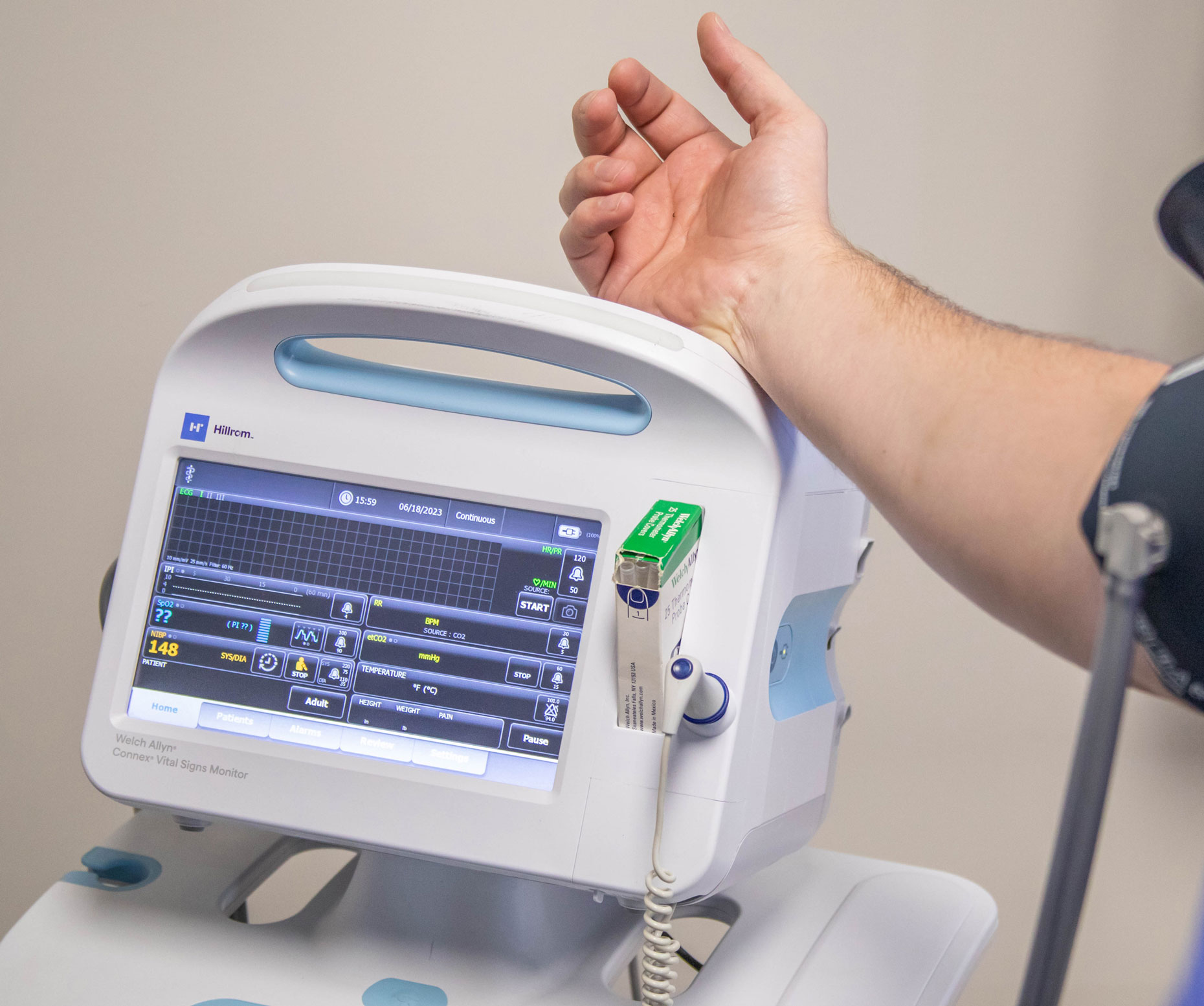
Vital signs monitors provide real-time data on key physiological parameters such as heart rate, blood pressure, respiratory rate, and oxygen saturation.

Continuous monitoring allows healthcare providers to quickly identify changes in a patient’s condition. By tracking vital signs consistently, medical teams can assess the effectiveness of treatments, adjust care plans, and ensure that patients remain stable throughout their hospital stay.

What types of vital signs monitors are available?

Vital signs monitors come in various types, including handheld monitors, portable units, and bedside monitors. Each type is designed for specific settings, such as hospitals, clinics, or home care.

How do I choose the right vital signs monitor for my needs?

Consider factors such as the types of vital signs you need to monitor, the intended use (hospital, outpatient, home care), portability, ease of use, and connectivity options for data management.

What safety features should I look for?

Look for features such as alarm systems for abnormal readings, user-friendly interfaces, and built-in battery backup.

Are warranties available for vital signs monitors?

Yes, many manufacturers offer warranties that cover defects in materials and workmanship. For questions about warranties, please call us.

Can I get training on how to use the vital signs monitor?

MME can provide training resources, including hands-on demonstrations, upon request. Inquire about training options to ensure your staff can use the monitor effectively and safely.

What is the typical lifespan of a vital signs monitor?

The lifespan of a vital signs monitor can vary based on usage and maintenance, but many monitors are designed to last 5 to 7 years. Regular maintenance and proper care can help extend their longevity.

What kind of maintenance is required?

Routine maintenance includes regular cleaning, software updates, and calibration checks.

What if my vital signs monitor needs repairs?

MME has partnered with ReNew Biomedical to offer repair and maintenance services.

Can I rent a vital signs monitor?

Yes! Master Medical offers short-term rental options for monitors, which can be an excellent solution for events or other temporary needs.

Refurbished Vital Signs Monitors

Looking for cost-effective alternatives? Consider a pre-owned, recertified vital signs monitor.By choosing refurbished vital signs monitors, customers can invest in essential medical technology without the expense of new equipment or compromising on reliability.

Our refurbished models undergo comprehensive testing and certification processes, guaranteeing they meet high safety and performance standards. This makes quality life-saving technology accessible at a significantly reduced price.
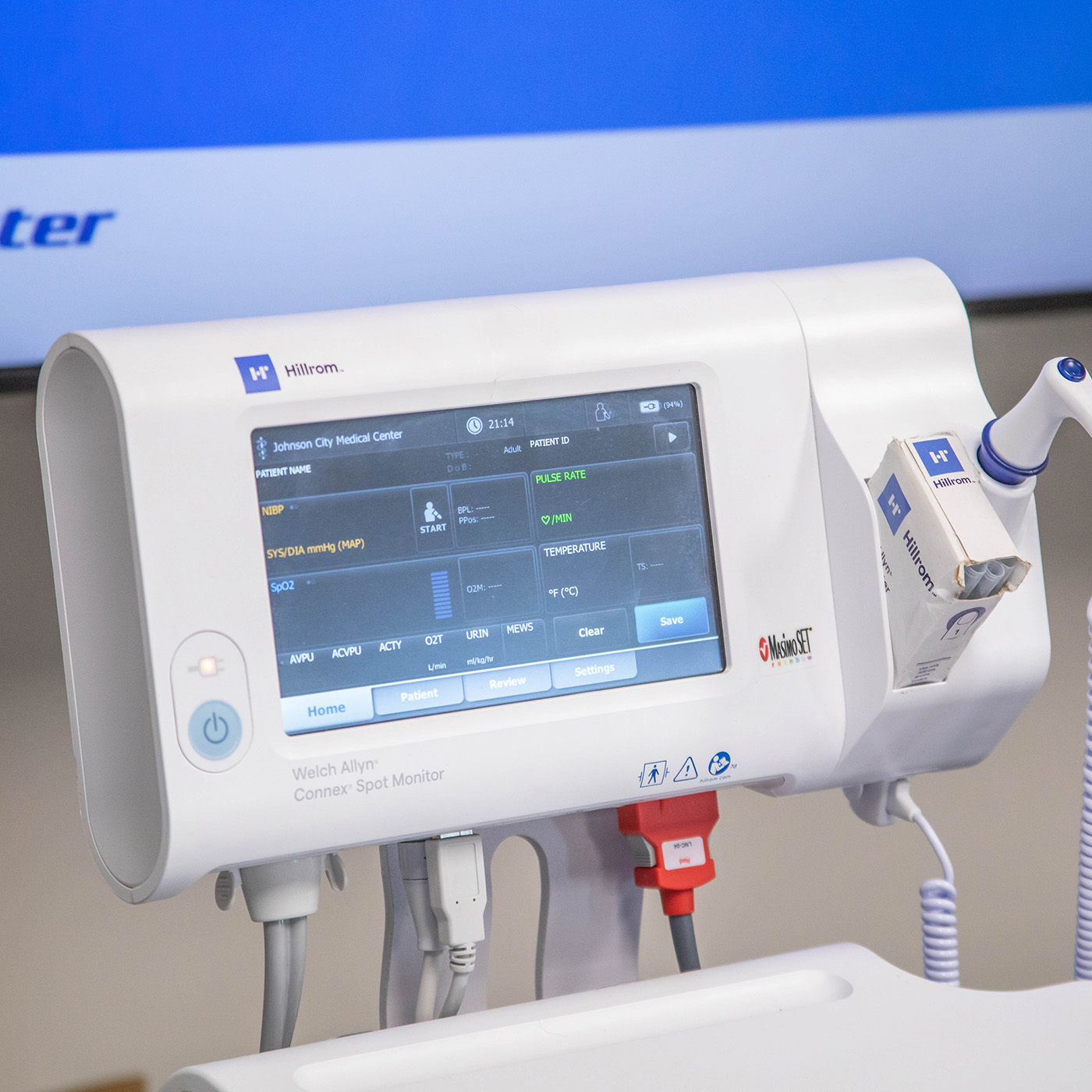
EMS and vital signs monitors

In ambulances, vital signs monitors play a critical role in assessing and managing patients during transport. These portable devices enable paramedics to measure essential physiological parameters in real-time, so that they have a comprehensive understanding of the patient’s condition.These monitors provide instant feedback, allowing EMS personnel to identify any life-threatening changes and respond promptly.
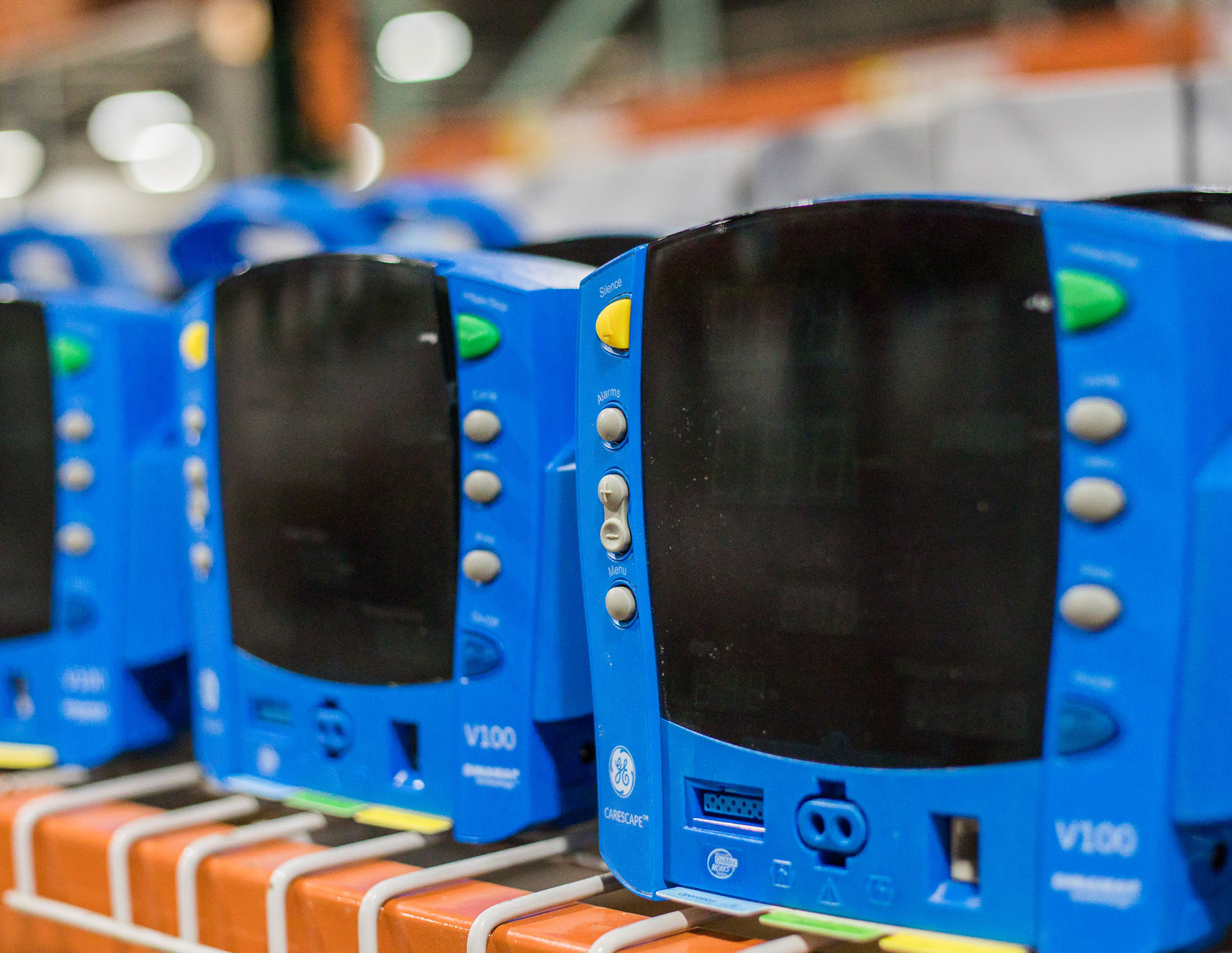
Vital Signs Monitors in Hospitals

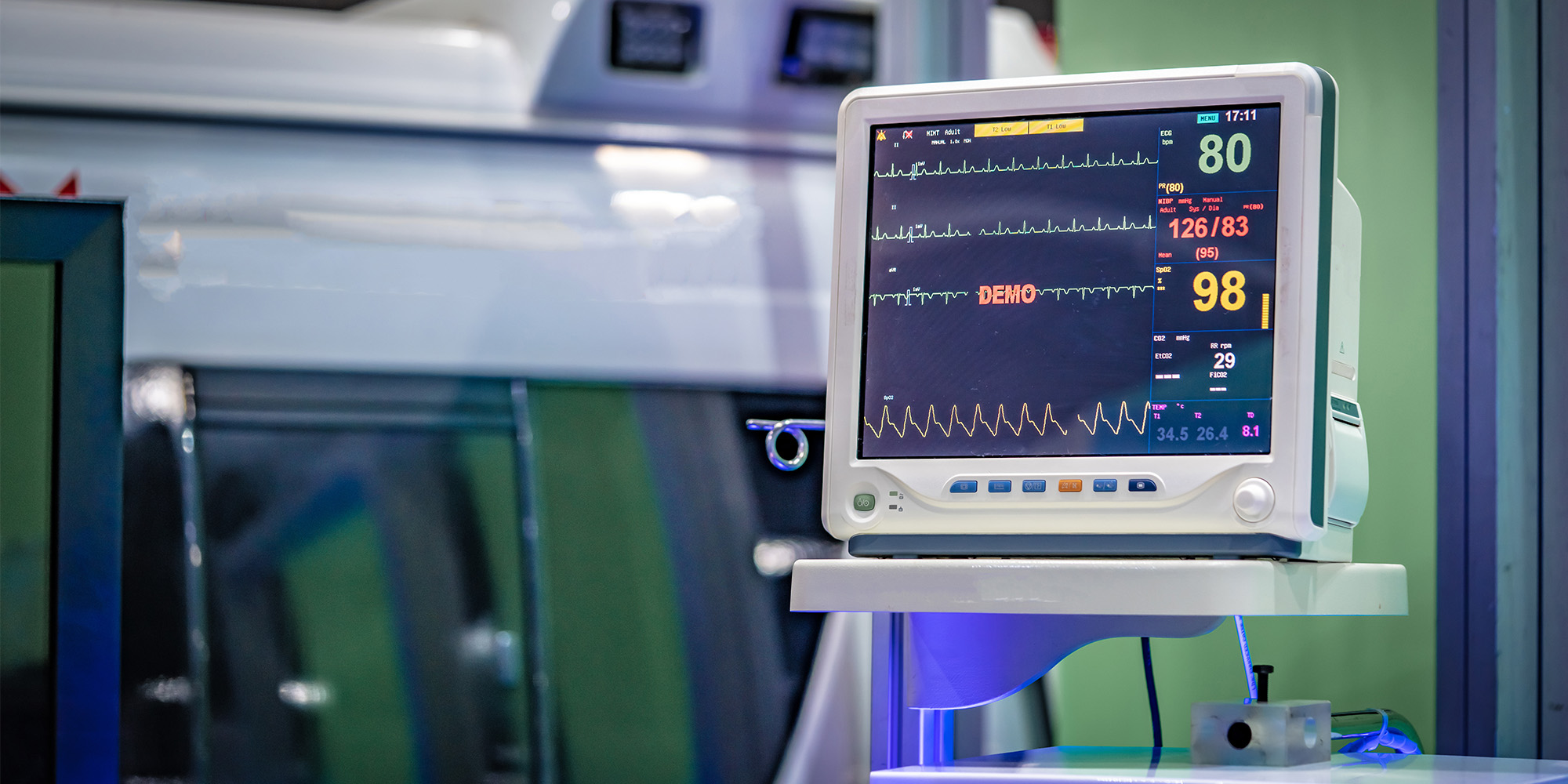
In hospitals, vital signs monitors track patients’ physiological parameters, providing critical information that guides medical decision-making. These monitors measure key indicators, allowing healthcare providers to assess a patient’s condition in real-time.The devices are used in various settings, including emergency departments, intensive care units, and surgical recovery areas, where constant monitoring is crucial for patient safety. By alerting medical staff to any significant changes or abnormalities, these devices facilitate timely interventions, helping to prevent complications.