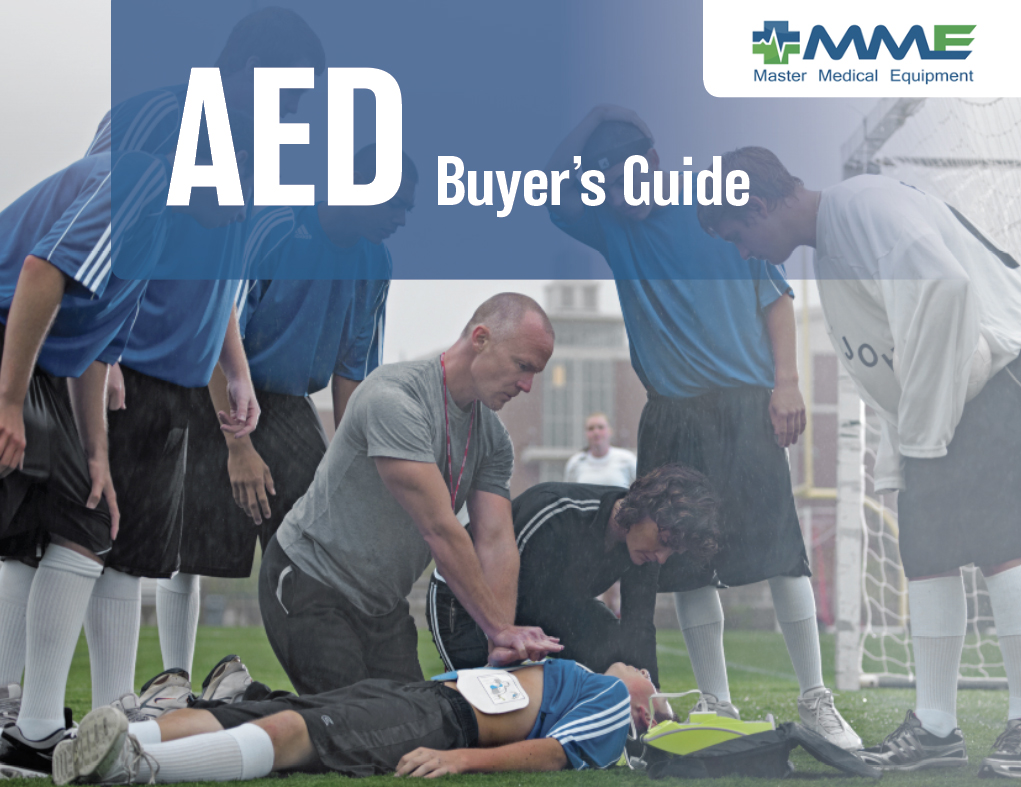
According to the American Heart Association, more than 350,000 people die every year from Sudden Cardiac Arrest (SCA). The treatment for an SCA is an electrical shock from an Automated Electronic Defibrillator, better known as an AED. While AEDs may appear to be technical & complicated devices to be used by medical professionals, AEDs are designed to be user-friendly for the average bystander to operate in an emergency.Since the danger of a SCA is always a possibility, it is important to have AEDs on hand anywhere people gather. AEDs are often placed on walls in churches, businesses, retail stores, gyms, and other similar locations. It is important to understand how these devices work to save lives. This article will discuss the different ways energy is delivered to a patient to correct a cardiac arrhythmia (a rhythm that is not normal and can be lethal if not treated).
AEDs
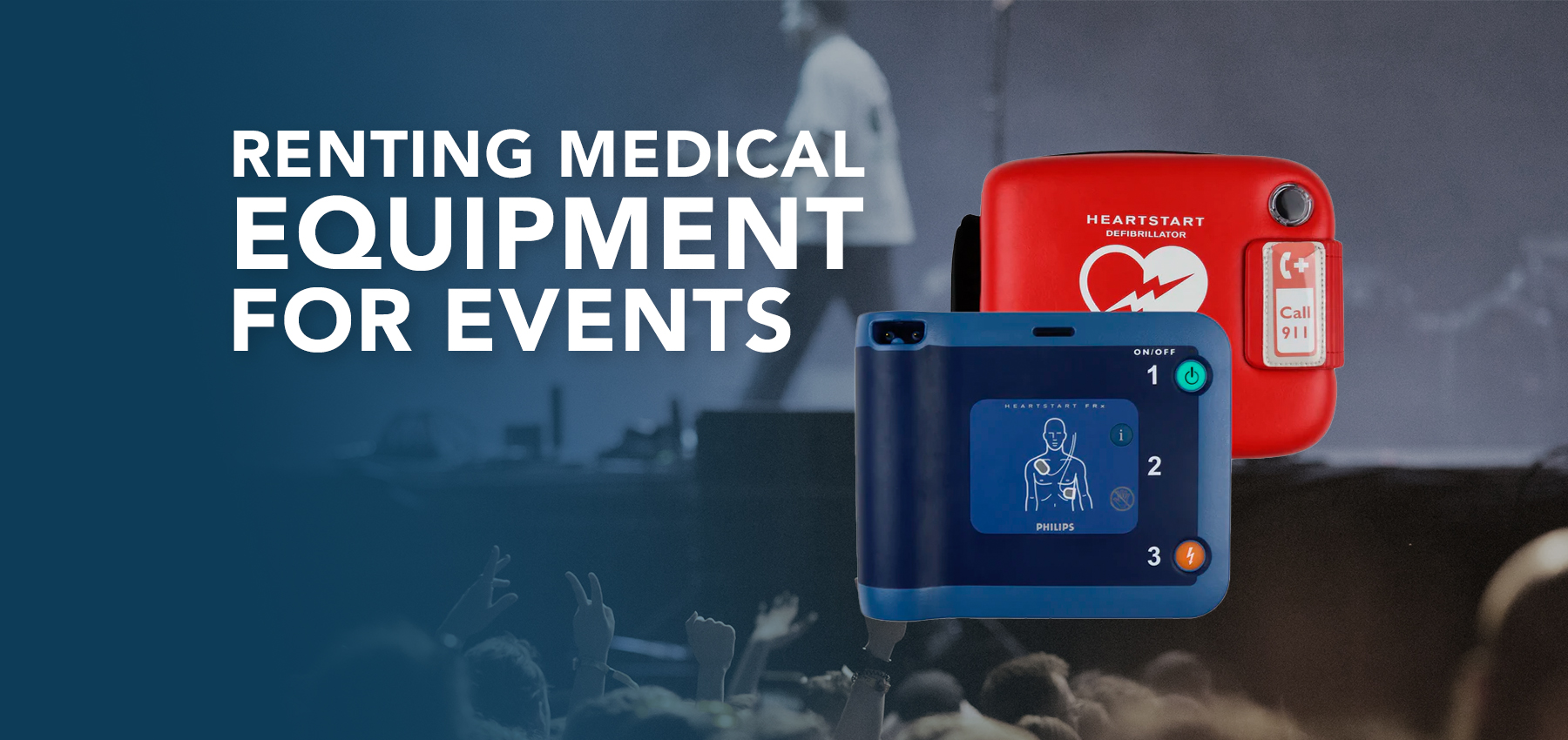
There are two main types of AEDs: semi-automatic and fully automatic. With a semi-automatic AED, the user must physically push a button on the unit to deliver a shock. Automatic AEDs administer shocks automatically when needed. These units recognize only two different cardiac arrhythmias: ventricular fibrillation and ventricular tachycardia. These two particular arrhythmias are life-threatening rhythms that result in ineffective ventricular contractions. If left untreated, these rhythms result in death. An AED reads and analyzes the rhythm to determine if a shock is needed. The goal of the shock is to deliver a dose of energy that depolarizes a large portion of the heart muscle, ending the arrhythmia and allowing the sinoatrial node to re-establish a normal sinus rhythm. A defibrillator cannot restart a heart that is asystole (flatline). This is the reason that sometimes an AED may advise “no shock indicated.” Someone can be suffering from ventricular tachycardia and still be conscious and have a pulse. The AED does not know if the patient is conscious. This is the reason an AED is only meant to be placed on an unconscious patient. We sell several user-friendly AEDs that make life-saving care simple, such as the ZOLL AED Plus, Cardiac Science G5, and Philips FRx.
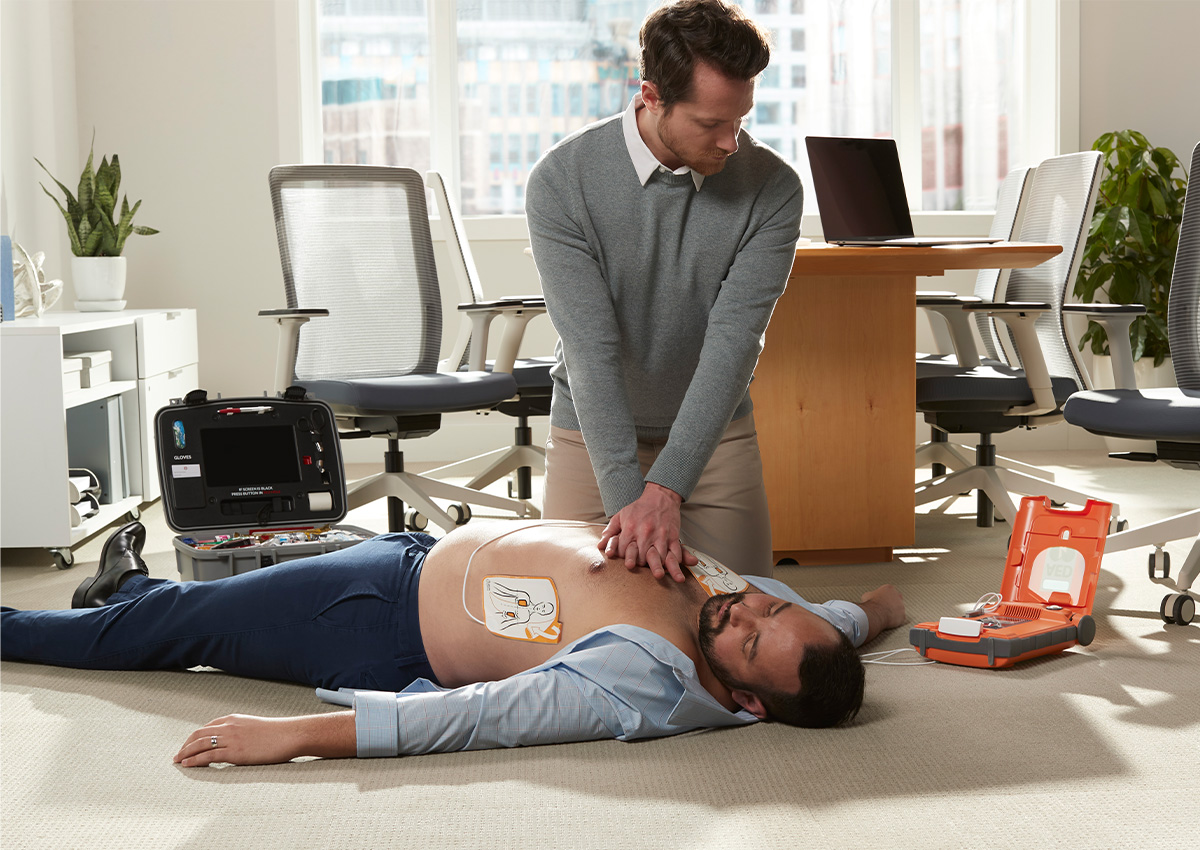
Manual Defibrillators
A manual defibrillator is a medical device that offers capabilities that an AED does not have such as
- Pacing
- Synchronized cardioversion
- Electrocardiogram (Basic ECG monitoring)
- SpO2 (shows the percentage of oxygen in our blood)
- SpCO2(this reading shows the percentage of carbon dioxide in our blood)
- SPCO (percentage of carbon monoxide in the blood)
- NIBP (non-invasive blood pressure)
- IBP (invasive blood pressure monitoring. This is where a catheter is placed inside an artery. The catheter has a sensor, and the pressure can be obtained inside the artery if the unit has the capability).
We sell units, such as the Lifepak 15, Lifepak 20, Lifepak 20e, Zoll X Series, Zoll R Series, Philips Tempus, that deliver Manual Defibrillation.Another significant difference between a manual defibrillator and an AED is that the provider can adjust the energy setting on a manual defibrillator. The provider will use the electrocardiogram (ECG) reader to diagnose the condition and determine the defibrillator’s appropriate settings.External Cardiac Pacing (Transcutaneous pacing):
This is a technology used to treat a slow heart rhythm. It allows for a provider to temporarily pace a heart by delivering controlled pulses of electric current. Pacing should not be confused with defibrillation. Instead of providing one big shock, it corrects a slow heart rate by delivering controlled pulses to mimic the desired rhythm.Synchronized Cardioversion:
This treatment corrects a patient’s heart rate by delivering shocks that are timed with particular points of the cardiac cycle. When looking at a basic ECG, you will see a large complex called the QRS complex. This is the time that the left ventricle is depolarized, and we have a heartbeat.When a monitor is instructed to begin synchronized cardioversion, it will listen to the patient’s heartbeat and flag R waves while avoiding T waves. The provider will adjust the energy setting to the desired energy. When the shock button is pressed, the monitor will only deliver a shock on the R wave. If the sync button were not pressed, it would be possible for the provider to shock a patient on the T wave. If this happens, it can cause the patient to go into cardiac arrest instantly.For more questions, please reach out at (866) 530-9032 or customerservice@mmemed.com. We are ready to help you find the perfect unit with the exact specifications to fit your situation and budget.