How Heart Disease Impacts EMS: Filling the Gap
According to recent statistics, more than 350,000 cardiac arrests take place outside of the hospital each year. Heart disease remains the leading cause of death in America, and the factors that contribute to it, such as high blood pressure and obesity, are only growing.
Can EMS Workers Keep Up With Increased Cardiac Calls?
High and increasing rates of cardiac emergencies put stress on emergency medicine providers, who already struggle with lack of staffing. In 2025, only 59% of EMS agencies report having enough staff to answer 911 calls. This problem endangers patients when EMS staff are spread too thinly. In addition to staffing shortages and high call volumes, performing CPR on a patient in sudden cardiac arrest requires intense physical and mental effort. It only takes a few minutes before it becomes difficult to maintain effective compressions and leaves the provider vulnerable to fatigue or back injuries.
The first line of defense against cardiac emergencies is reducing cardiac disease. February is American Heart Month, and raising awareness of the dangers of heart disease is a crucial component of healthier hearts and less cardiac arrests.
Filling the Gap: Automated Chest Compression Devices
As we all work together to combat heart disease, our EMS workers need help to treat the increased numbers of patients suffering from heart disease. Thankfully, certain equipment can help reduce strain on EMS and make responding to cardiac calls faster, more effective, and less fatiguing.
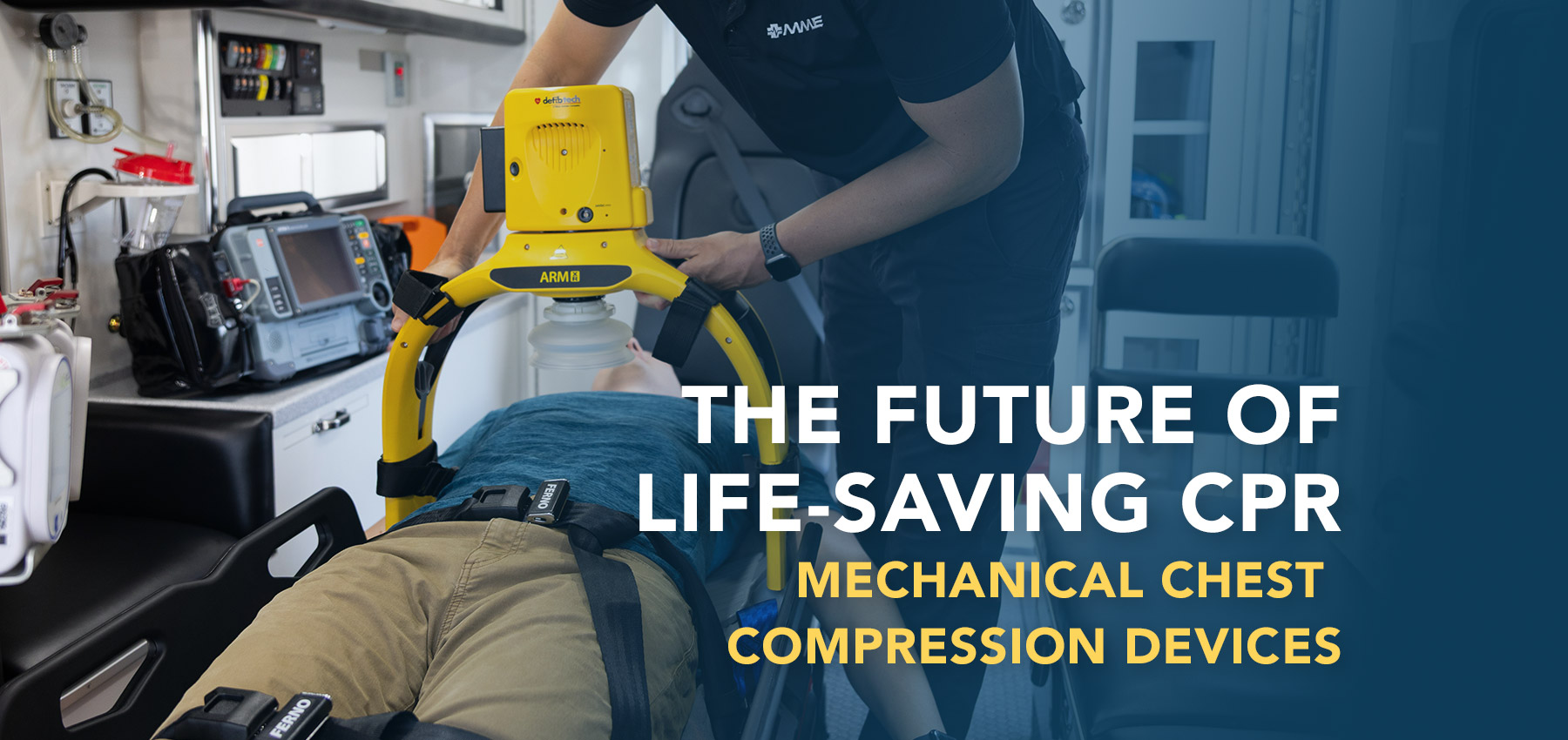
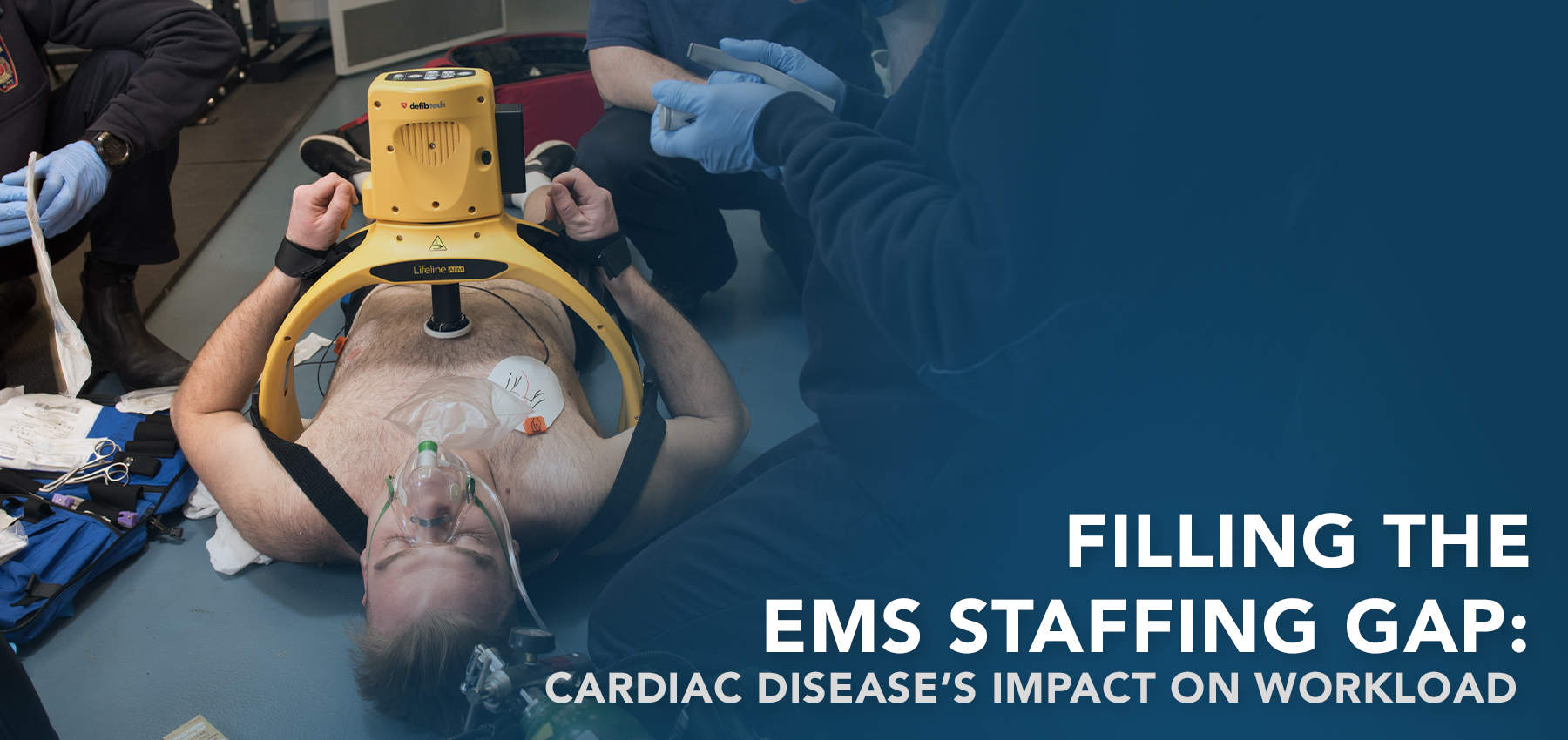
One such device is the Defibetch ARM XR, which provides reliable, high-quality automatic chest compressions so that EMS teams can provide life-saving care with less manpower.
The ARM XR has all the features necessary for effective CPR and automates this crucial task while maintaining the quality of compressions by trained healthcare providers. The ARM XR is designed with a suction cup piston that aids in active chest recoil and full chest rebound after each compression, an essential factor for proper blood flow back into the heart and lungs. This maximizes blood flow and increases a patient’s chances of survival.
As well as being durable, portable, and easy to use, the ARM XR allows crews to deliver high-quality chest compressions quickly and without fatigue, while also freeing up hands for life-saving care and improving patient outcomes.
Contact MME today if you think an automatic chest compression device would benefit your team. 866.797.3188