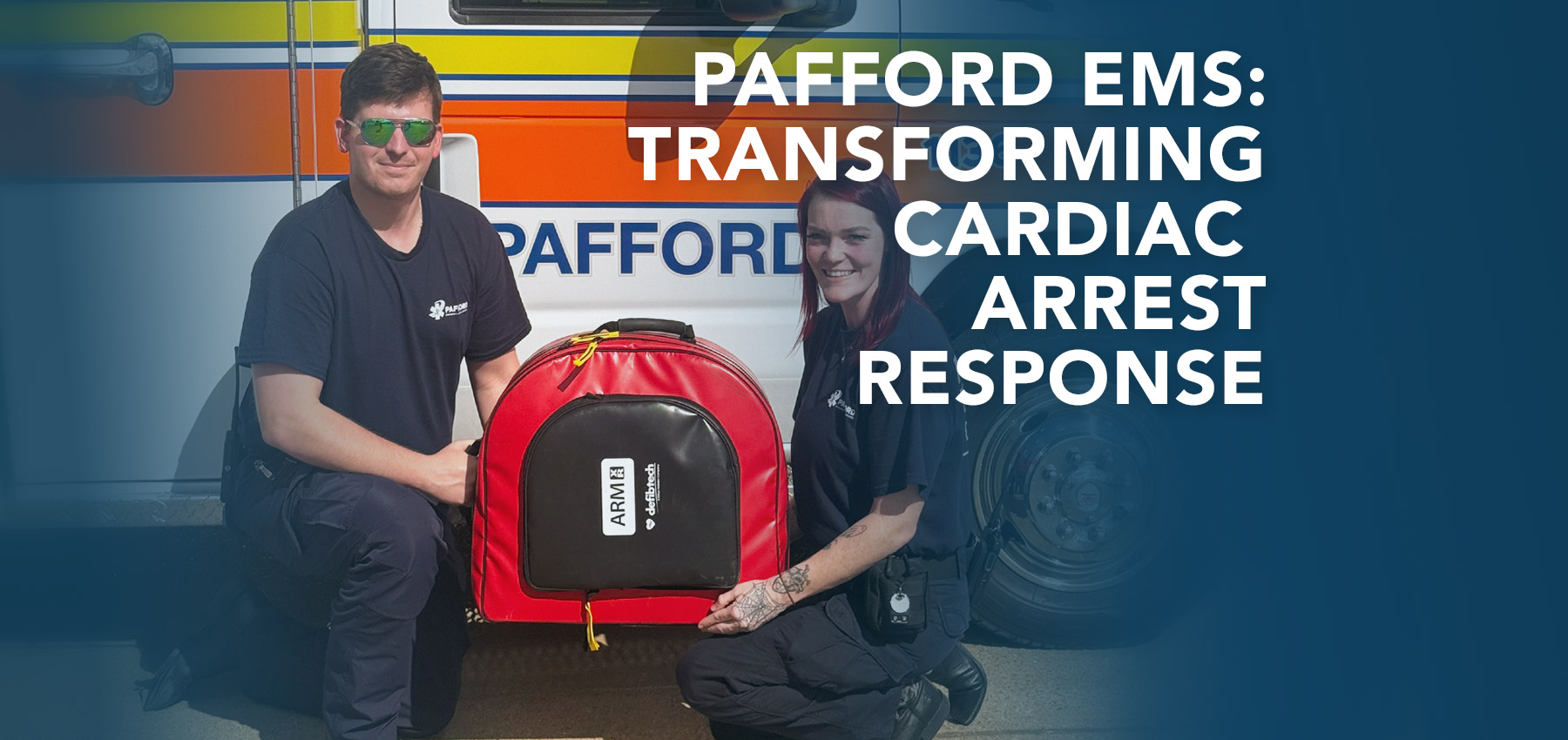
For Pafford EMS, one of the largest and most respected emergency medical providers in the South, the endurance and teamwork of a cardiac arrest call is a reality they face several times a day.
Pafford EMS serves communities across Louisiana, Mississippi, Arkansas, and Oklahoma with over 250 ambulances, six helicopters, and three fixed-wing aircraft. (Read full case study here)
The Challenge: Doing More with Fewer Hands
High-quality CPR requires continuous, consistent force, yet even the most dedicated medics fatigue quickly. “Just a quick look at ACLS says eight people are optimal, and these human capital resources are more easily found in ERs and ICUs… and here we are with two people on ambulances across America.” explained Gavin Hall, Education and Quality Assurance Manager for Pafford EMS.
In many of the rural areas Pafford serves, help is scarce, and small crews often handle full resuscitations alone. “When there are no firemen or first responders available, it’s just two providers on the ambulance,” said Hall.
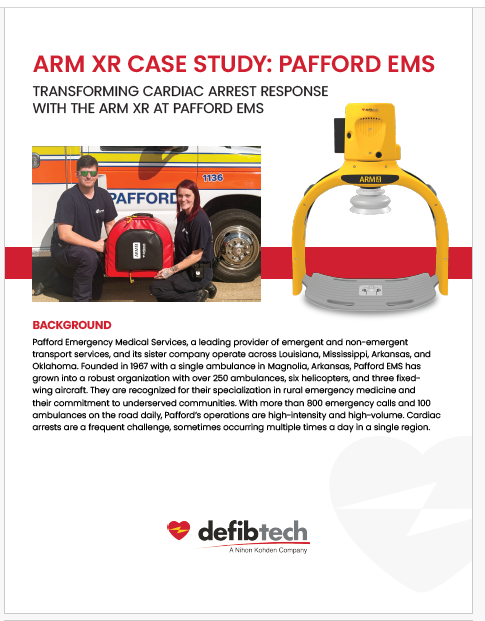
Four years ago, Pafford EMS made the leap to Defibtech’s automated chest compression technology, rolling out their first mechanical CPR devices. What started as a handful of units grew to more than 80 deployed devices, used over 2,000 times in a single year.
The Turning Point: Deploying Mechanical CPR
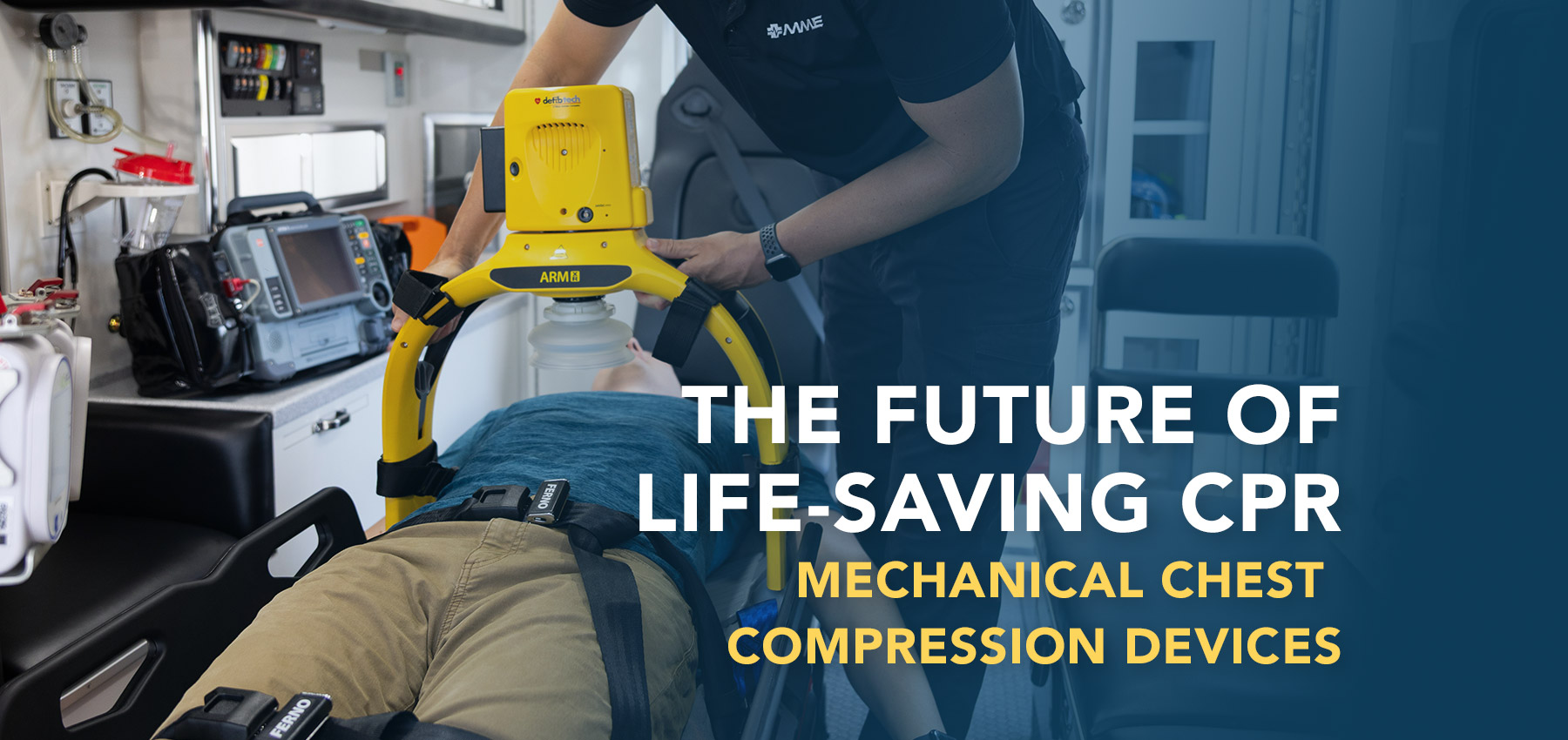
For medics working in unpredictable, fast-moving rural settings, the ARM XR’s appeal is simple: it works anywhere, fast. Crews noted key advantages:
- Ease of deployment: quick setup and removal, even in cramped homes or transport.
- Intuitive battery swap system: no downtime, no confusion.
- Compact, durable frame: built for bumpy rides, lengthy deployment, and heavy use.
- Stable transport performance on stretchers: steady compressions throughout long hauls.
But the real magic, according to Hall, is what the device frees up the crew to do.
“As a prehospital clinician, we know that the number one goal throughout the whole resuscitation process is to minimize pauses in chest compressions,” he explained. “That can be difficult to do when it’s just the two of you and you have to manage an airway, you have to give medications, you have to do rhythm analysis, and as a top priority maintain a high awareness of safety.”
Saving More Than Lives
Mechanical CPR doesn’t just improve patient outcomes, it transforms the provider experience.
Deployment of the ARM XR led to fewer fatigue-related injuries AND a sharp drop in worker’s-comp claims. More importantly, it’s allowed paramedics to preserve focus and energy for life-saving patient care. “It’s a back saver, and more importantly, a life saver,” Hall added. “Now, with the ARM XR device taking care of [compressions[, they’re walking out to the ambulance after finishing a call, restocked, and they’re ready for the next one. They don’t need a shower and are good to go because we’ve removed that stress. So, our providers are huge fans.”
Why This Case Study Matters for EMS Leaders
For agencies navigating staff shortages, burnout, and rising expectations for patient outcomes, Pafford EMS offers a model worth studying. Their success demonstrates that investing in automation doesn’t replace skill, it amplifies it.
Mechanical CPR isn’t about taking the human out of medicine, it’s about giving medics room to be human again: to think, manage, and deliver better care.
To see the complete results and hear directly from the Pafford EMS team, read the full case study.
(Shared with permission from Defibtech, LLC)