Blog
Shedding Light On Sudden Cardiac Arrest
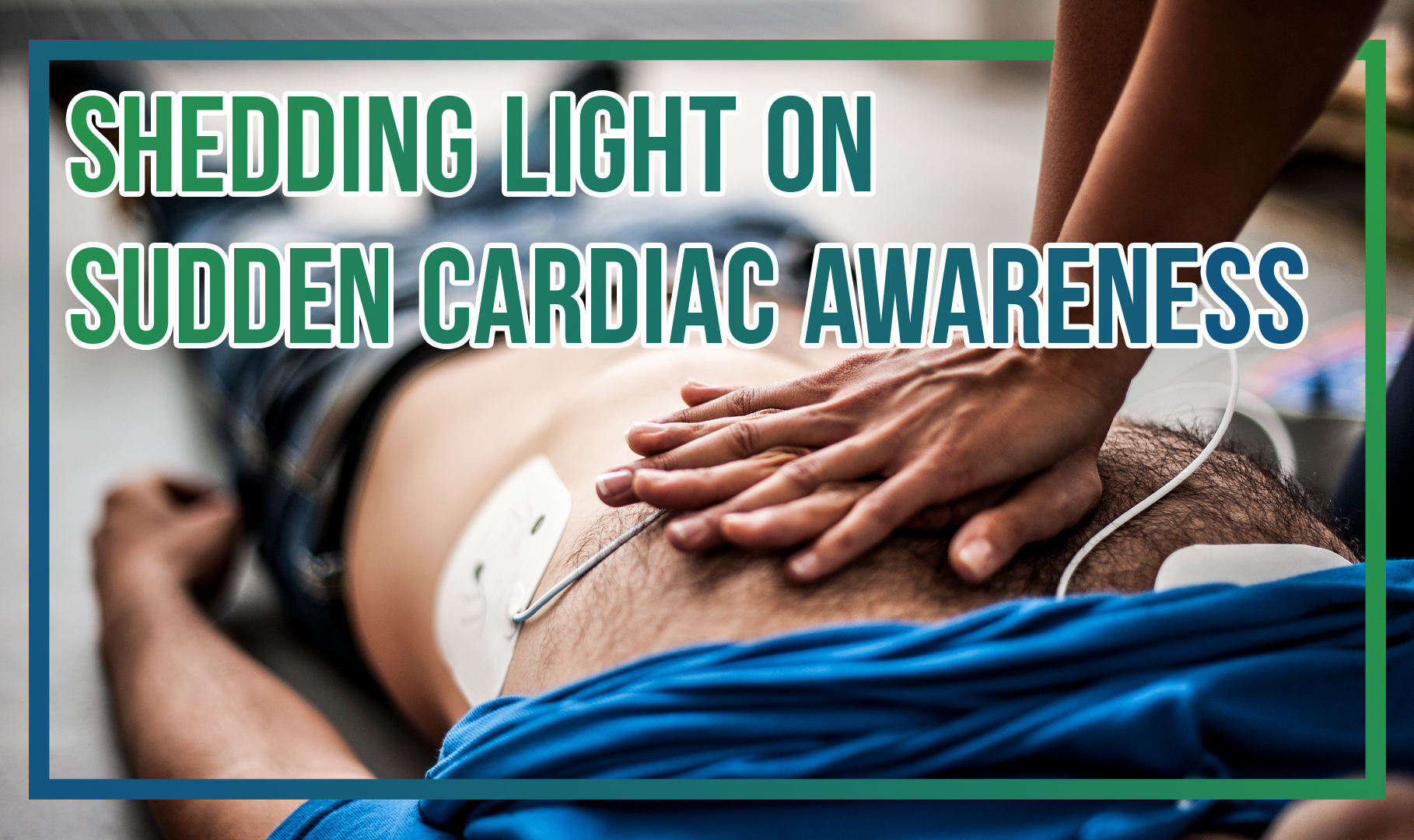 Sudden Cardiac Arrest (SCA) contributes to a silent but deadly epidemic that claims countless lives every year. Unlike a heart attack caused by a blocked artery, cardiac arrest occurs when the heart stops beating due to an irregular heart rhythm. Without immediate intervention, cardiac arrest can be fatal within minutes. Despite their lethal nature, sudden cardiac arrests are widely misunderstood and underrepresented in public discourse. This article aims to shed light on the importance of SCA awareness, its prevalence, risk factors, and the preparation measures that make a life-saving difference.
Critical Responses
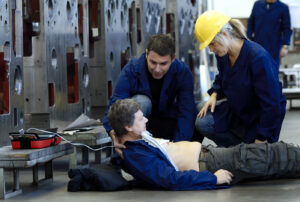 Sudden Cardiac Arrest strikes without warning, even impacting healthy individuals. It can affect people of all ages, from infants to older adults, and does not discriminate based on gender or fitness level. Contrary to popular belief, cardiac arrest is not limited to older people or those with pre-existing heart conditions. It frequently occurs in young, active individuals, highlighting the importance of raising awareness across all demographics.
Prevalence and Impact
Every year, sudden cardiac arrest claims the lives of hundreds of thousands of individuals worldwide. The American Heart Association estimates over 350,000 cases of SCA occur annually in the United States alone, making it one of the leading causes of death. Most of these incidents occur outside a hospital setting, where immediate medical attention is less readily available. Widespread awareness, preparation, and education about cardiac arrest could save countless American lives every year.Recognizing Risk Factors
Understanding the risk factors associated with SCA is crucial. Common risk factors can include:- Family History: A family history of heart disease or sudden cardiac events can increase risk.
- Coronary Artery Disease (CAD): Individuals with CAD who constrict arteries and diminish the amount of blood spread to the heart are at a higher risk of experiencing SCA.
- Heart Conditions: Cardiopathy, arrhythmias, and congenital heart defects can predispose individuals to SCA.
- Hypertension: A large amount of blood pressure can increase the risk of sudden cardiac events.
- Drug Use: Certain substances, particularly stimulants like cocaine, can trigger SCA.
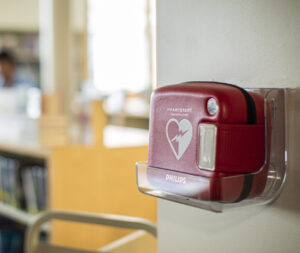 Many cardiac arrest victims have underlying heart conditions, but many don’t show any symptoms or have any risk factors. EKG screening can detect certain underlying heart conditions, helping to identify and prepare individuals with a higher risk of cardiac arrest.
Education and Awareness Campaigns
Raising awareness about Sudden Cardiac Arrest is paramount in equipping communities with the knowledge and tools to respond effectively (like this one!). Educational campaigns should target schools, workplaces, and public spaces, providing information on recognizing the signs of SCA, performing cardiopulmonary resuscitation (CPR), and deploying Automated External Defibrillators.The Power of CPR and AEDs